MONCKS CORNER, S.C.–Preservationists have uncovered a historic gem that played a significant role during the Revolutionary War.
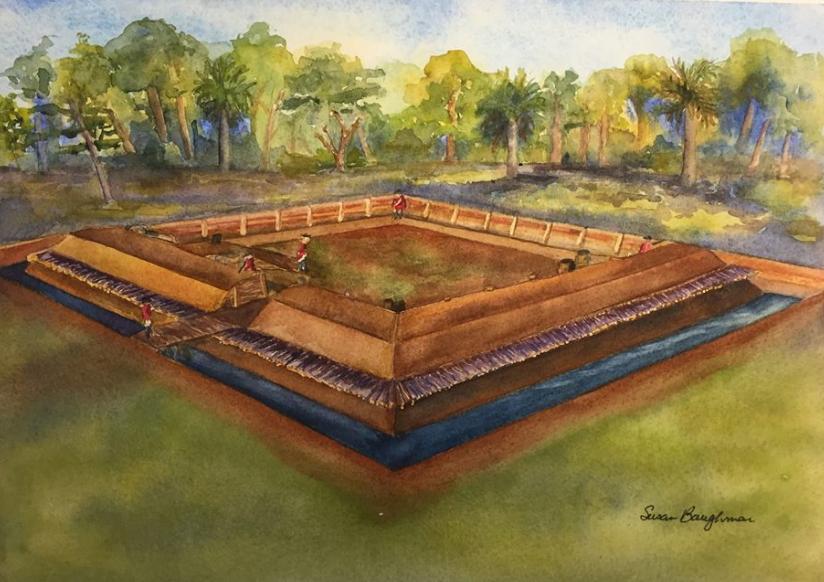
Lord Berkeley Conservation Trust and South Carolina Battleground Trust recently announced the permanent protection of Fort Fairlawn, the most pristine, intact, original American Revolutionary War fortification in South Carolina.
Of the more than thirty forts constructed during the American Revolutionary war, it is one of two that remains in its original condition. The Ninety Six National Historic Site is the second.
A Thursday celebration at Gippy Plantation offered a first glimpse at the significant Fort Fair Lawn tract that local land trusts recently purchased and protected.
Thanks to the generosity of the South Carolina Conservation Bank, South Carolina Ports Authority, the American Battlefield Protection Program, Campaign 1776 of the Civil War Trust, and the Coastal Community Foundation, the Lord Berkeley Conservation Trust and the South Carolina Battleground Preservation Trust have purchased and protected Fort Fair Lawn.
The history of the fort dates back to more than 235 years ago. In April 1780, the British seized control of Fair Lawn Plantation, fortifying the mansion home, and constructing Fort Fair Lawn. Considered the most significant British outpost between Charles Town and Camden, the fort protected the British troop deployments and communication lines through South Carolina.
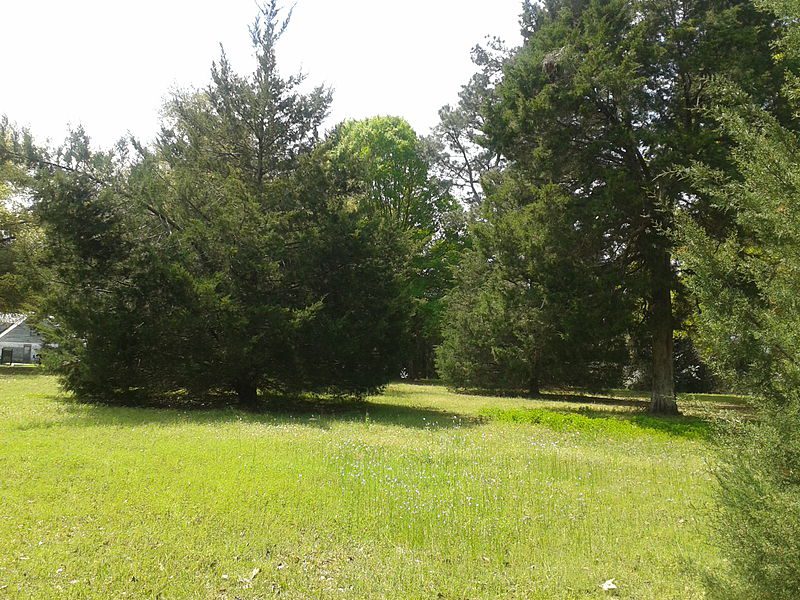
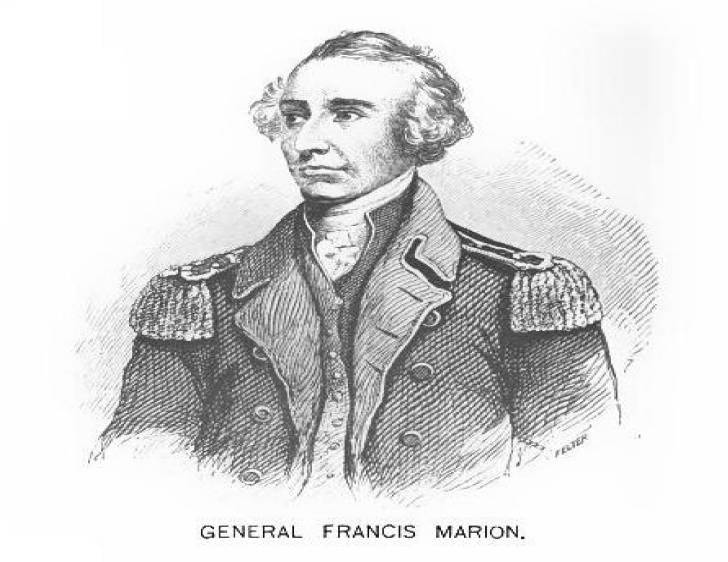
In late-August through mid-September 1781, Fair Lawn was a key post for the assembling and recovery from the Battle of Eutaw Springs. As British troops retreated seeking the safety of Fort Fair Lawn, they were chased and harassed by Lt. Colonel Henry “Light-Horse Harry” Lee and Colonel Wade Hampton. On November 17, 1781, Colonel Hezekiah Maham with 180 men and Colonel Isaac Shelby with two hundred frontiersmen, dispatched by General Francis Marion, attacked Fair Lawn Plantation.
Eventually, preservationists anticipate incorporating the fort and surrounding acreage into the adjoining Old Santee Canal Park in the near future where it will be used for public education.