
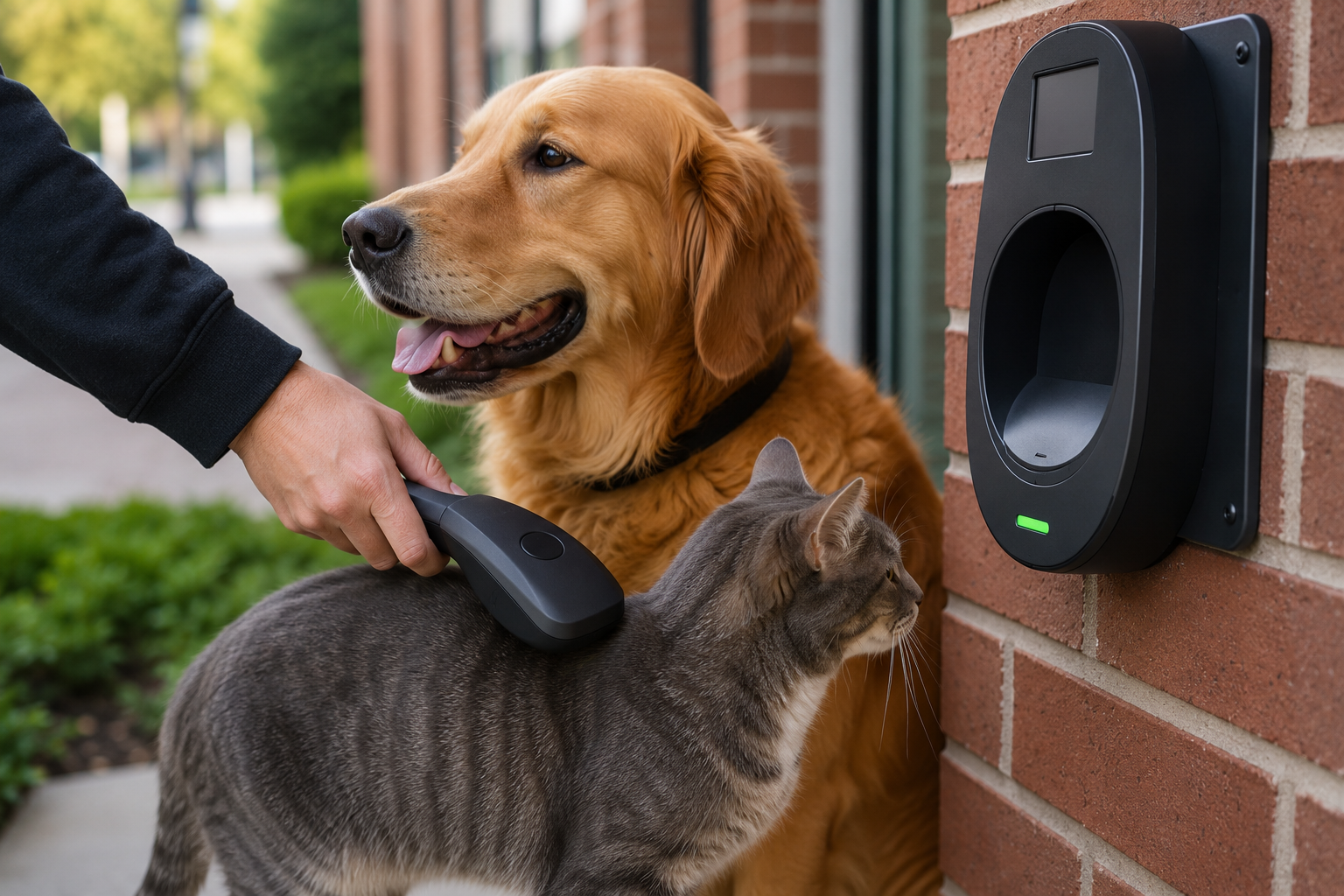
BERKELEY COUNTY, S.C. — Berkeley County residents who find a lost pet now have a new tool to help reunite animals with their owners without having to wait for a shelter or veterinarian.
County officials announced Monday the installation of five self-service pet microchip scanning stations throughout Berkeley County. The stations allow anyone to scan a found dog or cat for a microchip using a universal scanner available 24 hours a day, seven days a week.
📰SUBSCRIBE: Get the latest Berkeley County, SC news delivered to your inbox.
Officials say the initiative is designed to make it easier for residents to identify lost pets while reducing the number of animals entering local shelters.
“These scanners are imperative to both public safety and animal welfare across Berkeley County,” Berkeley County Councilwoman Amy Stern said in a statement. “Council and I strongly believe it will make a profound impact by helping to ease overcrowding at Charleston Animal Society Berkeley Campus and improving our communities.”

Each station includes step-by-step instructions explaining how to scan an animal for a microchip. If a chip is detected, residents are asked to immediately contact the Charleston Animal Society’s Berkeley Campus at 843-719-5050 for assistance in identifying the pet’s owner.
The scanners are currently available at:
- Cane Bay Library, 1655 Cane Bay Blvd., Suite A, Summerville
- Hanahan Library, 1216 Old Murray Court, Hanahan
- Moncks Corner Library, 1003 U.S. Highway 52, Moncks Corner
- Sangaree Library, 595 Sangaree Parkway, Summerville
- St. Stephen Fire Department, 124 Hood St., St. Stephen
County officials said additional scanning stations will be installed in the coming weeks, expanding access to more communities.
The initiative cost approximately $15,000 and was funded through District 5 Councilwoman Amy Stern’s allocated Accommodations Fee discretionary funds.
Officials encourage anyone who finds a stray pet to visit the nearest scanning station before transporting the animal elsewhere, saying a quick scan could help reunite families with their pets much sooner while easing the burden on local animal shelters.


