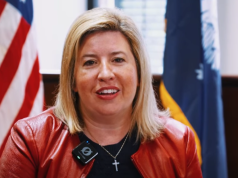
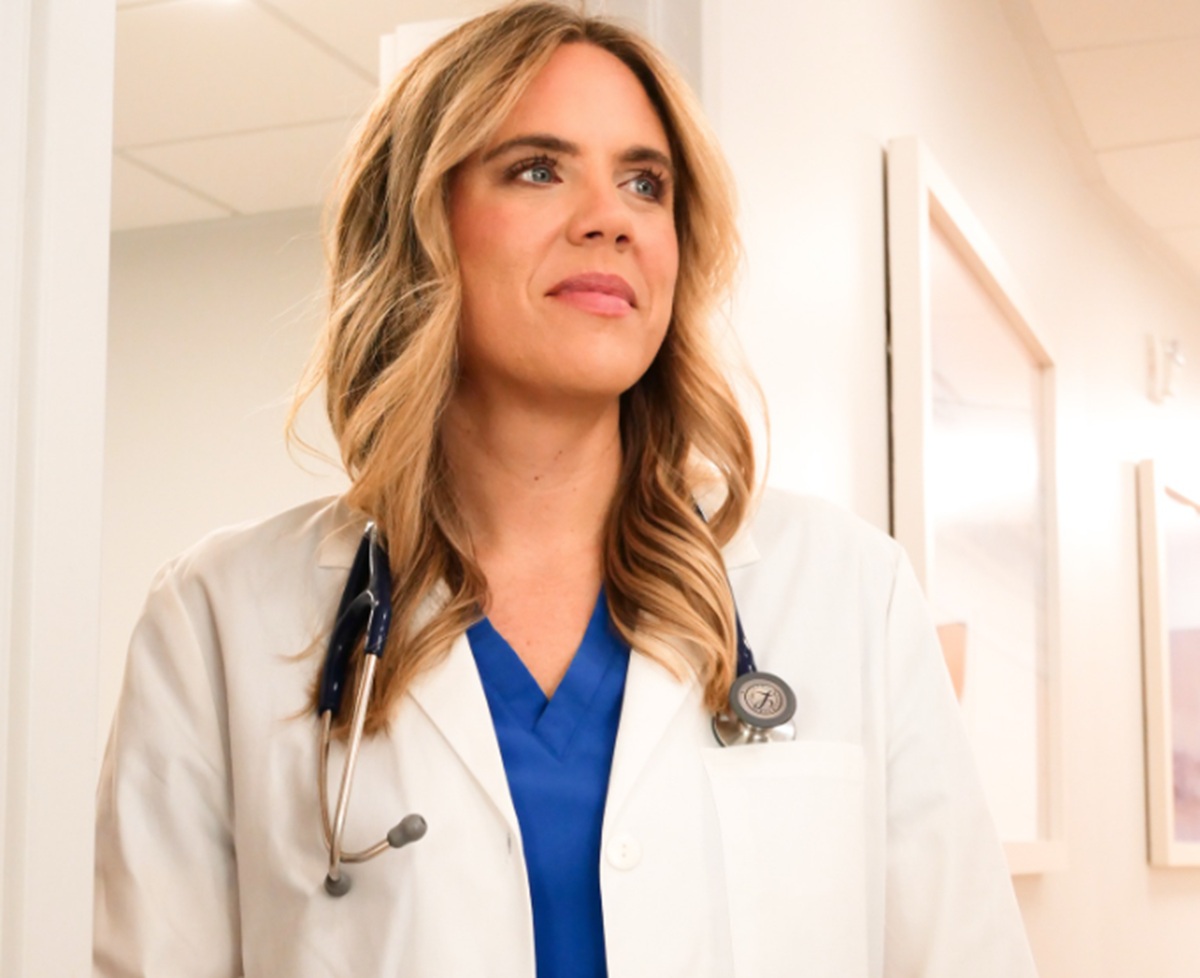
BERKELEY COUNTY, S.C. — With early voting underway across South Carolina and set to conclude Friday, Democratic U.S. Senate candidate Dr. Annie Andrews is making her case to voters ahead of the June 9 primary election.
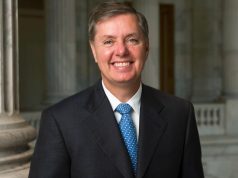
Andrews, a Charleston-area pediatrician and former congressional candidate, is seeking the Democratic nomination for the U.S. Senate seat currently held by Republican incumbent Lindsey Graham. Throughout her campaign, Andrews has centered her message on healthcare access, affordability, education and what she describes as the need for leaders focused on working families rather than partisan politics.
In responses to questions from The Berkeley Observer, Andrews discussed issues ranging from Berkeley County’s rapid growth and infrastructure needs to disaster preparedness, workforce development, affordable housing and election integrity. She also outlined how her experience treating children and families across South Carolina has shaped her priorities as a candidate.
The following questions and answers are published in full.
📰SUBSCRIBE: Get the latest Berkeley County, SC news delivered to your inbox.
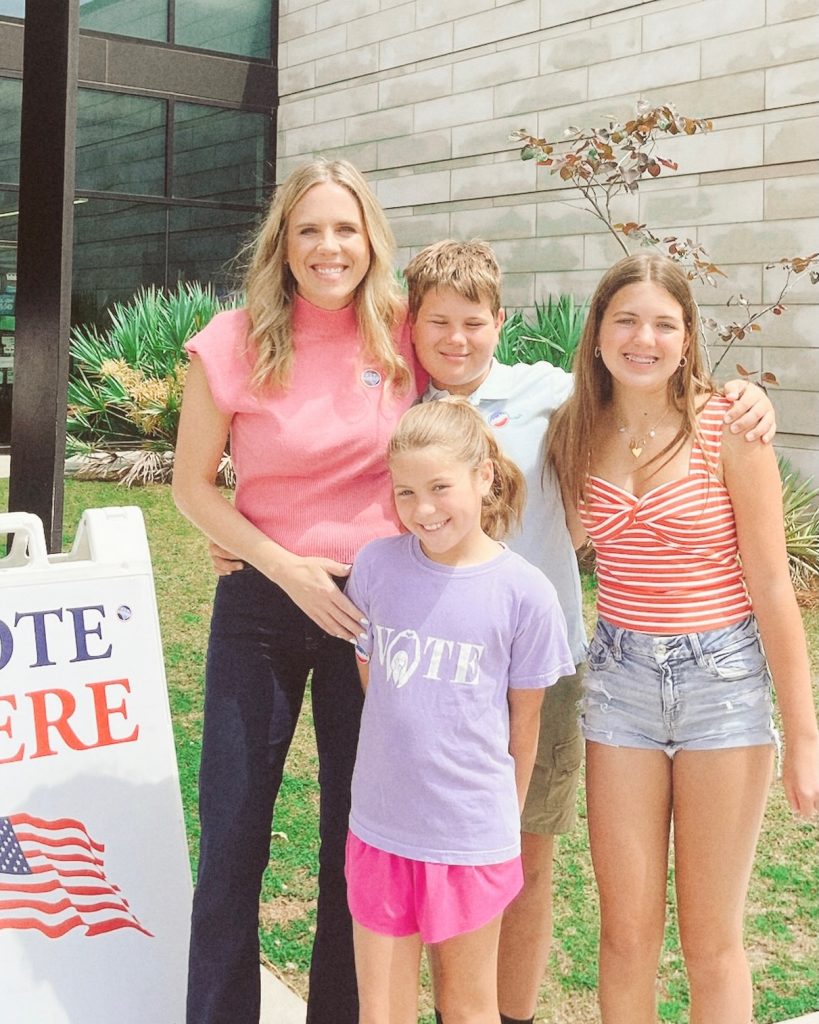
1. What motivated you to run for the U.S. Senate, and how does your South Carolina background shape your priorities?
I’m a mom, pediatrician and a public servant, not a career politician. I have spent nearly 20 years caring for children in hospitals, including almost 15 years at the Medical University of South Carolina.
As a result, I have seen firsthand how broken policies hurt real families long before they ever get to me. I’ve cared for children whose families don’t know where their next meal is coming from, who have been shot, in mental health crises who can’t access treatment, and with parents who don’t know if they can afford their child’s chronic disease medications.
I’m running because it became painfully clear that treating one child at a time wasn’t enough, because the system itself was failing all children. My kids, your kids and grandkids: Every South Carolina family deserves a United States Senator who understands what they are going through, whether it’s access to affordable healthcare or housing, and is willing to fight for them.
2. What do you see as the most urgent issue facing South Carolina families right now, and how would you address it at the federal level?
The cost of living is crushing families across South Carolina. I do the grocery shopping for my family, and I’ve watched prices go up on nearly everything we buy. Families are struggling to afford child care, prescription drugs, housing, groceries, and even a basic doctor’s visit. At the federal level, I would fight to lower prescription drug costs, protect and expand access to healthcare, pass an expanded and permanent Child Tax Credit, and stop Washington from shifting more costs onto working families through higher premiums, deductibles, and copays.
We need serious, steady leadership focused on lowering costs and building long-term stability, not the existing corruption of self-serving politics coming from Washington. People are tired of politicians who put the profits of big business ahead of the needs of everyday people.
3. How would you balance national party priorities with the specific needs of Berkeley County and the Lowcountry?
Berkeley County is growing quickly, and with that growth come real challenges. Families deserve a Senator who understands that growth only works if longtime residents are not left behind, working people can afford to stay, and communities get the healthcare, housing, infrastructure, schools, and jobs they need to thrive. As one of the fastest-growing counties in the fastest-growing state, Berkeley County deserves representation that will address the impacts of growth pressure and overdevelopment on affordability, housing security, public safety, and essential services.
My priority will always be South Carolina families and their need for affordable AND accessible healthcare. As a doctor, my work has never been about which family votes red or blue, and as a Senator, I will maintain this stance. While progress has absolutely been made with the opening of the Roper St. Francis Healthcare Center in Summerville, there are still parts of the county that do not have immediate access to a hospital or urgent care center.
When we talk about growth in Berkeley County we also have to discuss roads and infrastructure. As a Senator it will be my job to ensure we receive the federal dollars needed to improve and expand local roads where growth is occurring most rapidly.
Additionally, Berkeley residents have shared the concern that many Berkeley County roads lack sufficient lighting. We can do something about that to ensure the safety of both families and commercial vehicles traveling throughout the county.
When elected, my job in the Senate will be to not just listen to the people who live here, but show up and be accessible and accountable to the voters who sent me to Washington to fight for them.
4. What is your stance on federal disaster relief and infrastructure funding — especially given South Carolina’s hurricane, flooding, and coastal resilience challenges?
South Carolina cannot afford leaders who ignore the growing threats facing our communities. In the Lowcountry, hurricanes, flooding, stormwater, and coastal resilience are not abstract policy issues, they affect people’s homes, businesses, roads, schools, and safety.
The number of more people who move to South Carolina every year continues to increase. As climate-related disasters become more frequent and severe, we not only have to address environmental strains that fuel these disasters, we must invest in timely and efficient infrastructure. Safe roads, reliable bridges, modern drainage systems, and resilient infrastructure are not luxuries. They are how we protect families, keep our economy moving, and make sure fast-growing communities like Berkeley can keep up with the demands of growth. We need to invest in coastal resilience planning that protects families before disaster strikes.
Federal disaster relief and infrastructure funding are essential to coastal resilience planning. Fast-growing communities like Berkeley County should not be left to manage these challenges alone. In the Senate, I’ll fight to bring federal dollars home to South Carolina and make sure they reach the communities that need them most, creating jobs that pay a liveable wage in the process.
5. How do you plan to strengthen South Carolina’s workforce pipeline, particularly in rural and fast growing counties?
We strengthen South Carolina’s workforce pipeline by investing federal dollars towards economic development and dignity for families and the communities they live in. We can put more money into public schools, affordable child care, access to healthcare, technical education, and job training that provides South Carolinians with the skills and training they need to qualify for good-paying jobs right here at home.
In rural and fast-growing counties, workforce development also means investment that makes sure the basics are in place. That means expanding broadband, improving transportation, and making sure federal infrastructure investments create more jobs in construction, clean energy, manufacturing, healthcare, and the skilled trades.
READ MORE l Berkeley County Early Voting Explodes With 307% Increase
We also have to remove the barriers that keep people from working or moving up. Families need affordable child care, paid family leave, reliable healthcare, and housing they can afford. You cannot build a strong workforce if parents can’t get to work, can’t afford training, or have to turn down a better job because they don’t have child care. Too many children are graduating from our high schools unprepared for collegiate-level work, or lacking the technical skills to qualify for skilled jobs we have here in South Carolina.
In the Senate, I’ll fight to raise wages, strengthen workers’s rights, expand affordable child care and paid family leave, fund public education, keep rural hospitals open, and make sure federal infrastructure dollars reach the communities that need them most. That is especially important in rural and fast-growing counties, where longtime residents should not be left behind as new people and new businesses move in. Better employment starts with giving communities the support to compete for good jobs. This includes the training, infrastructure, child care, healthcare, and workforce investments people need to get hired, move up, and earn a good living right here in South Carolina.
6. What’s your position on improving access to affordable housing and healthcare across rural and coastal communities?
Healthcare is a human right. As a doctor, I have seen what happens when families cannot afford a basic doctor’s visit, a prescription, or the care their child needs. In the Senate, I’ll fight to protect and expand Medicaid and Medicare, lower prescription drug costs, keep rural hospitals open, make mental healthcare easier to find and afford, and strengthen the public health system that families across South Carolina rely on.
Affordable housing is just as urgent, especially in rural and coastal communities like Berkeley County. As more people move into the Lowcountry, housing costs are rising, and too many working families and longtime residents are being squeezed out of the communities they helped build. Families should not have to work two or three jobs and still wonder whether they can afford rent, a mortgage, or a basic doctor’s visit.
In rural and coastal communities, the issues of housing and healthcare are connected. If families cannot afford to live near their jobs, their schools, or their doctors, they are pushed further away from opportunity and care. We have to lower costs, expand access to care, keep rural health services open, and make sure working families can afford to stay in the communities they call home.
We have to invest in the communities people actually live in. No family should have to choose between paying rent, filling a prescription, or putting food on the table.
7. How do you view the role of bipartisanship in today’s Senate, and what issues do you believe still have room for cross party cooperation?
As a doctor, I don’t ask the families I serve who they voted for. If a child needs a pediatric specialist, I connect them to who will best serve them regardless of whether I like the specialist or agree with their politics. My job has never been about red or blue. It has always been about making sure children get the care they need, and that is the same mindset I will bring to the Senate. I’ll work with anyone when it helps South Carolinians, and I’ll oppose anyone when they are hurting South Carolinians.
I believe there is still room for bipartisan cooperation on lowering prescription drug costs, protecting rural hospitals, investing in roads and bridges, expanding child care, supporting veterans and military families, strengthening the workforce, banning members of Congress from trading stocks, regulating campaign donations, establishing term limits, and increasing data center regulations.
8. What steps would you take to ensure election integrity and voter confidence in South Carolina?
Election integrity starts with making sure every eligible voter can cast a ballot and trust that it will be counted. I support secure, fair, and accessible elections, and I will oppose efforts that make it harder for eligible voters to participate.
We need to protect voting rights, support election workers, make sure local election offices have the resources they need, and push back against lies and conspiracy theories that undermine confidence in our democracy. Voter confidence depends on transparency, accountability, and leaders who tell the truth.
South Carolina is not a red state, but a gerrymandered and non-voting state. Too many people feel disconnected from politics because they do not believe their vote matters or that politicians are listening to them. They believe our voting districts were drawn so that politicians get to choose their voters rather than voters choosing their representatives. The way we rebuild trust is by ensuring fair elections, protecting the right to vote, meeting people where they are, and giving them leaders who actually fight for their lives, their families, and their communities.
9. How do you plan to engage younger voters and first-time voters who may feel disconnected from national politics?
Young people are not disconnected because they do not care. They are disconnected because too many politicians have given them no reason to believe anything will change. They are worried about issues like gun violence in their schools, the climate crisis affecting their future, not being able to afford housing or healthcare, paying back their student loans, safeguarding their reproductive freedom, and whether they will be able to build a stable future.
Our campaign is striving to meet each and every voter where they are, not where we want them to be. We must drive a conversation with them around how the government still has the power to solve the problems they face. Doing this requires embracing new ways of communicating like TikTok and getting in front of podcasters. It is also important to speak their language in order to connect what happens in Washington to what they are dealing with every day.
My job is to show up, listen, talk like a normal person, and give them a reason to vote. I have already done this by traveling across the state on a college campus tour, something I plan to continue after the primary. My campaign is people-powered, and that means young voters and first-time voters are not an afterthought. They are central to how we build the coalition it will take to win.
10. If elected, what would success look like for your first term, and how would you measure it?
Success would mean working to get rid of RFK Jr. starting on day one. The damage he has done to kids, families and the healthcare system writ large is immeasurable. Success also means truly protecting Medicaid and Medicare, working to lower prescription drug costs, and bringing funding back to SC that keeps existing rural hospitals open and makes opening new clinics and facilities possible, especially those focused on mental health. Bed space for those who need treatment in our state continues to be minimal, which in some instances turns our detention centers into mental health clinics, which they are not designed for.
Success would also mean taking on corruption in Washington. In addition to banning members of Congress from trading stocks, I want to strengthen ethics rules, and make the government work for families again, not donors, lobbyists, and special interests.
I will measure success by whether South Carolina families can afford their medication, find child care they afford, teacher and caregiver pay is increased in our State and South Carolina goes from 43rd to FIRST in education. We can do the big things.
11. There is such political division in the country. How do you intend to bridge the gap and reach out to both sides?
Most South Carolinians share a similar set of values that go beyond partisan politics. My own father has voted for Lindsey Graham in the past! The reality is we all call the Palmetto State home, whether we’re in the Upstate, Midlands, Lowcountry, Grand Strand or Pee Dee. South Carolina values unite us all, and connecting with voters on the things we have in common, protecting kids and elders, ensuring roads are safe, expanding Internet connectivity and safety, increasing teacher and caregiver pay, support and jobs for veterans – these issues all supercede party and are why voters on both sides are supporting our campaign.
12. Anything else worth mentioning?
I remain deeply concerned with how the President’s unauthorized war in Iran is affecting everyday South Carolinians. Gasoline prices are at record highs because his war has closed the Strait of Hormuz and cut off oil shipments. The costs of groceries are skyrocketing. Irrational and illegal tariffs contribute to this problem. These are an unauthorized (and unnecessary) tax on the American people.
I entered public service because I saw–up close–how decisions made in Washington show up in hospital rooms, classrooms, grocery stores, and family budgets across South Carolina; and how often those decisions were failing the people they were supposed to help.
This campaign is rooted in the belief that families deserve leaders who are accessible, accountable, and willing to tell them the truth. I am not taking corporate PAC money because I believe public service should be about serving people, not protecting donors or special interests.
I believe in South Carolina, and I believe in putting children first. As a pediatrician, I know that when we support policies that help children thrive, we strengthen families. When we strengthen families, we strengthen communities. And when our communities are stronger, our economy is stronger too. I will always fight with South Carolina’s children in mind.
Editor’s Note: The Berkeley Observer is committed to providing fair, accurate and comprehensive coverage of local elections and the candidates seeking to represent our community. We do not endorse specific candidates. Instead, we believe in equipping voters with clear, accessible information so they can make informed decisions at the ballot box. Other candidates interested in a Q&A may reach out to us at: [email protected].