MONCKS CORNER, S.C. — After a month-long delay for additional community meetings and discussions with neighboring residents, the Berkeley County Planning Commission gave the proposed Cane Bay Lake Village development the green light Tuesday night, voting to recommend approval of a major rezoning request that would pave the way for a 5,500-home mixed-use community.
The commission voted 4-2 in favor of the request, advancing the proposal to Berkeley County Council for further consideration. Commissioners Kristy Gore and Amber Moore voted against the project, while Lynn Hoover, James Sineath, Jack Howerton and Terry Blackwell voted in support. Commissioner Troy Sanders was absent.
READ MORE l Planning Commission Delays Vote on 5,500-Home Cane Bay Expansion After Residents Voice Concerns
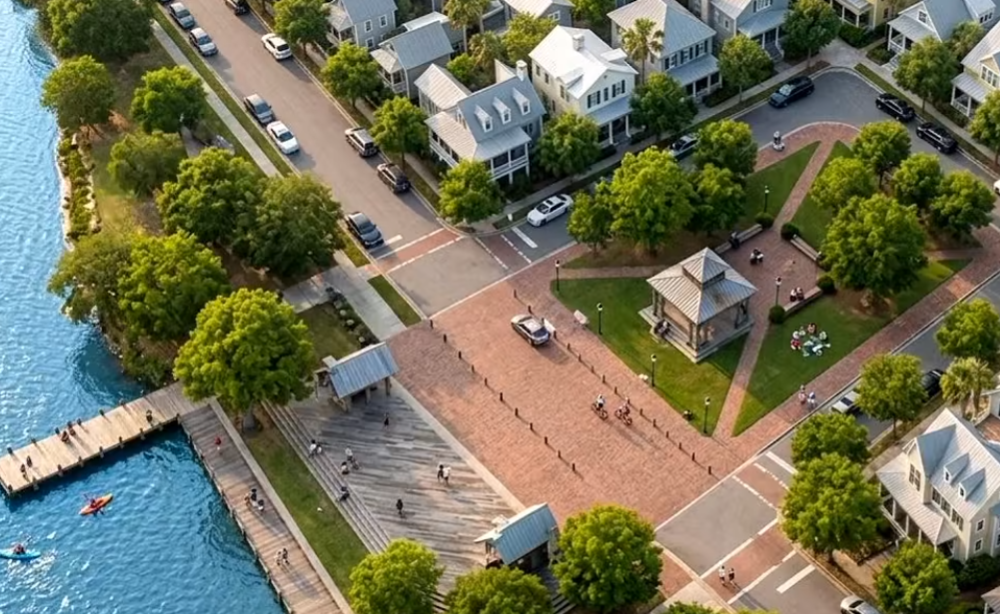
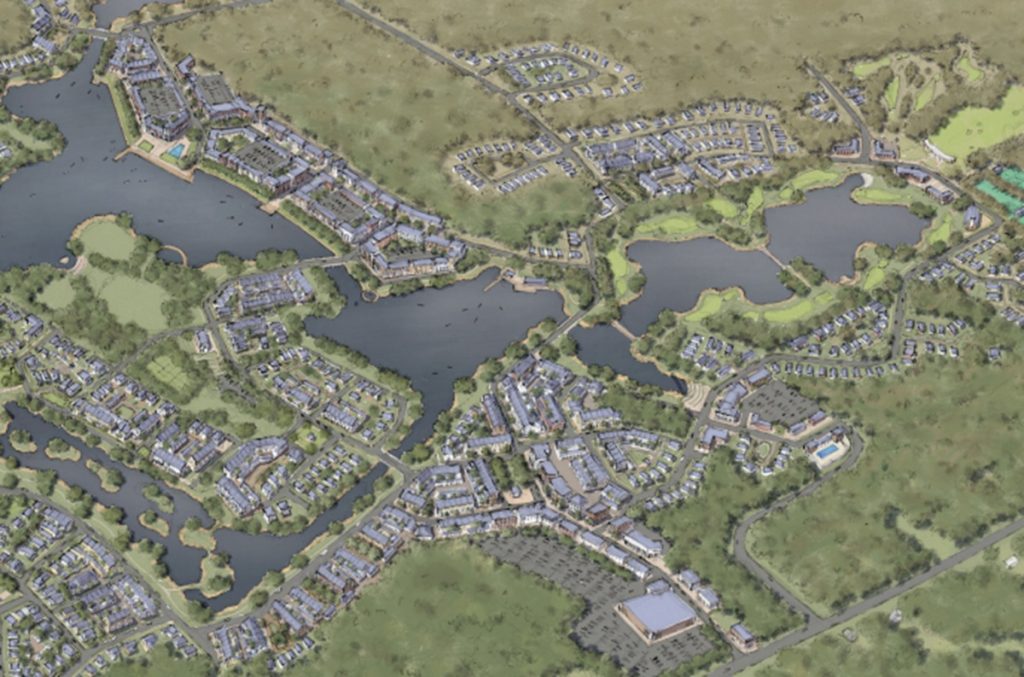
The proposal would rezone more than 1,500 acres into a new mixed-use planned development district and ultimately allow construction of a master-planned community expected to include approximately 5,500 homes, commercial space, restaurants, retail businesses, schools, parks, trails and public safety facilities.
It’s estimated the project could eventually bring roughly 15,000 new residents to the area.
The vote comes roughly one month after the commission deferred action and directed developers to hold additional meetings with residents in Cane Bay, Windwood and surrounding communities.
Developer Highlights Community Meetings and Project Changes
Developer Ben Gramling opened Tuesday’s hearing by updating commissioners on those outreach efforts.
“The commission asked us to have a series of more meetings since we were here last time,” Gramling said. “I would like to report that we have done so along with some individual meetings as well. A lot of positive things come from it.”
Project representatives said a June 10 community meeting attended by residents, elected officials and planning commissioners generated productive discussions and helped move negotiations forward on a memorandum of understanding with neighborhood representatives.
READ MORE l ‘This Is My Birthplace’: Berkeley County Woman Fears Cane Bay Expansion Could Surround Family Land
A second meeting on June 18 focused specifically on concerns raised by residents of Windwood and nearby rural communities.
One of the most significant concerns centered on whether future roads or trails would connect the development to Windwood.
Martin Gramling sought to put those fears to rest.
“I know when these kinds of developments come, people who are already there are never going to just love the fact that they’re coming,” he said. “There absolutely will not be” connections into surrounding rural communities.
He later added that no roads or trails of any kind would connect the development to Windwood and said developers are willing to include that commitment in a future development agreement.
The project also includes a substantial natural buffer between the new community and Windwood, according to developers.
Residents Remain Divided
While some residents praised developers for increased communication and changes made since the last hearing, others remained deeply concerned about traffic, schools, flooding and the long-term impact of growth.
Margaret Lee, who lives on Roumillats Lane, urged commissioners to consider the area’s historical significance.
“American Revolution grapeshot, colonial pottery and other artifacts are on this land,” Lee said. “There’s no provision for preservation of artifacts, unmarked graves, newly discovered battlefield sites.”
She argued that generations of Berkeley County history could be lost if development proceeds without additional protections.
📰SUBSCRIBE: Get the latest Berkeley County, SC news delivered to your inbox.
Her husband, Ken Lee, questioned whether promises that growth would remain contained were realistic.
“We’re going to have 15,000 more people dropped in the middle of us,” he said. “It will seep out into the whole community.”
Windwood resident Mamie Gainley echoed concerns raised during previous hearings.
“All these things coming out on 17A, it’s already a disaster trying to get out,” she told commissioners. “There’s just not enough infrastructure.”
Several speakers pointed to Highway 17A, Cypress Gardens Road and surrounding corridors as examples of roads already struggling to keep up with existing growth.
Some Residents Say Developer Earned Their Trust
Not all comments were critical.
Denise Harwell Masterson, whose family property borders portions of the proposed development, described how discussions with developers helped address concerns that had existed for more than a year.
Masterson said communication had initially broken down, leaving her family feeling excluded from the process. However, she said Martin Gramling later met with her family and worked to find solutions.
“I’m happy to say that through those discussions we were able to reach an agreement that improves my mother’s safety when entering and exiting our property, provides buffering and separation between the roadway and her bedroom, addresses drainage and lighting and includes changes that recognize and honor the Harwell family heritage that has called this property home for more than six generations, dating back to 1875,” she said.
Residents from existing Cane Bay neighborhoods also expressed support.
Bruce Watson told commissioners he previously lived in another DPZ-designed community near Atlanta and viewed the proposed village concept favorably.
“Everything that I saw on that slide show, I lived that and it was wonderful,” Watson said. “I believe it is going to be a very positive development for the area.”
Anne Gueffier, a Four Seasons resident, said she viewed the project as a preferable alternative to what could potentially be built under existing entitlements.
“It could be 9,000-plus homes, or it could be 5,500 with restaurants, retail, a school, a fire station,” she said. “That’s much more appealing to me.”
Donna Beauchesne said she appreciated plans to preserve portions of existing woods and looked forward to nearby shopping and dining options.
“Right now for us, it can take us 30 minutes to an hour to get somewhere,” she said.
Traffic Remains the Dominant Concern
Even some residents who generally support the project said traffic remains unresolved.
Theresa Burlison, speaking on behalf of concerns raised within The Coves neighborhood, said residents appreciate developers’ willingness to meet with them but worry Calm Water Way could become a major transportation corridor linking existing Cane Bay neighborhoods with future phases of development.
“We are overwhelmingly concerned about the traffic situation,” Burlison said. “The Coves is the only existing Cane Bay neighborhood in which motor vehicles, pedestrian, golf cart and bike traffic will be directly funneled.”
Doug Starace, another Cane Bay resident, urged developers to complete infrastructure improvements before large-scale residential construction begins.
“We know this is going to go through,” Starace said. “Put the infrastructure in before they put in the housing.”
Leroy Godfrey Jr., a Windwood resident, pastor and candidate for Berkeley County Council, warned that promises made today may not hold up years from now.
“Traffic doesn’t follow good intentions,” Godfrey said. “It follows the path of least resistance.”
His 14-year-old daughter, LiAnna Godfrey, also addressed commissioners, urging them to consider whether schools, roads, emergency services and public safety resources are prepared for continued growth.
“Please put families who already live here first,” she said.
Commissioner Raises Infrastructure Concerns
Commissioner James Sineath acknowledged many of the same concerns expressed by residents.
“Because of our overcrowded infrastructure already, I don’t see any provisions made for helipads,” Sineath joked, drawing laughter from the audience. “I’m being half-funny, but I’m being half-serious, too, to get across the fact that our infrastructure is just really, really stretched right now.”
Despite those reservations, Sineath ultimately supported the project.
“Normally, in a situation like this, some for, some against, we tend to go with the folks who are against,” he said. “I have a problem with infrastructure, too. But this sounds like a pretty good project, and it’s not going to be built overnight.”
He then made the motion to approve the rezoning request. It was seconded by Lynn Hoover.
Tense Moment Follows Vote
As commissioners began voting, audience members shouted objections before the chair could complete the call for votes.
At one point, commissioners requested that one man be removed from the meeting after repeated interruptions.
“You guys need to raise your voices,” he shouted.
The vote nevertheless proceeded, resulting in the project’s approval recommendation.
What Happens Next?
Tuesday’s vote does not grant final approval.
The Planning Commission serves in an advisory role, and the proposal must still move through multiple public hearings and readings before Berkeley County Council.
The current schedule includes:
- July 13: Land Use Committee review prior to first reading
- July 27: County Council first reading
- Aug. 10: Land Use Committee review prior to second reading
- Aug. 24: County Council second reading
- Sept. 14: Land Use Committee review prior to third reading
- Sept. 28: Public hearing and County Council third reading
County council will ultimately decide whether the Cane Bay Lake Village project moves forward, setting the stage for what is expected to be another closely watched chapter in Berkeley County’s ongoing debate over growth.