MONCKS CORNER, S.C. — A proposed 5,500-home expansion in the Cane Bay area sparked hours of debate Wednesday before the Berkeley County Planning Commission, with developers describing the project as a carefully planned village-style community and residents warning it could overwhelm roads, schools, healthcare services and existing neighborhoods.
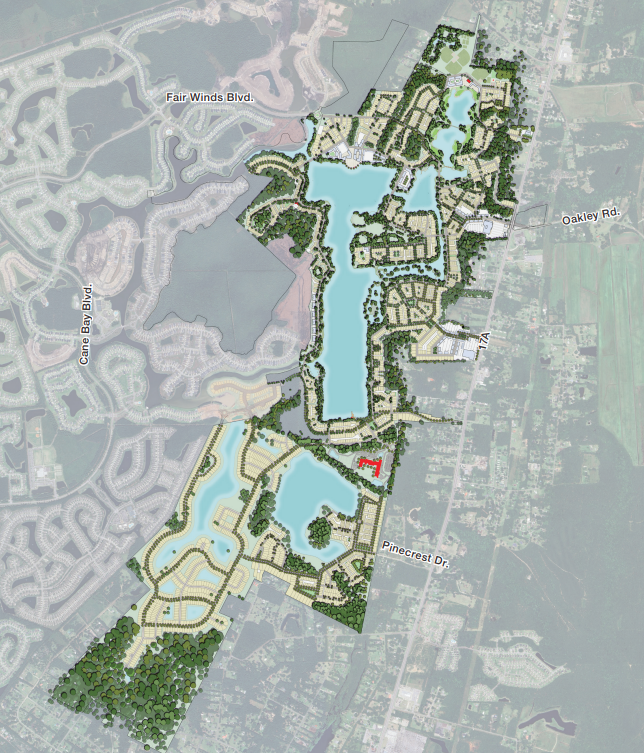
The proposal, which would be built across approximately 2,000 acres, includes housing, commercial development, restaurants, shops, waterfront amenities, walking trails, a school site and public safety facilities. But for many residents who packed the meeting, the question wasn’t what the development would include—it was whether Berkeley County can handle another major growth project.
The commission ultimately stopped short of moving the project forward, with one commissioner urging additional community meetings before any further action is taken.
📰SUBSCRIBE: Get the latest Berkeley County, SC news delivered to your inbox.
Developer: Plan Reduces Density by Thousands of Homes
Developer Ben Gramling argued the proposal actually represents a reduction in development compared to what could already be built under existing approvals.
“We’re really not talking about a new community here. We’re talking about making an existing community better,” Gramling told commissioners.
According to Gramling, existing approvals and development rights could allow more than 9,000 residential units in the remaining Cane Bay area. Under the new proposal, that number would be reduced to approximately 5,500 homes.
“If we stayed with our current plan, that’s what we could legally do,” Gramling said. “Under this new plan, we’re downzoning to 5,500 units.”
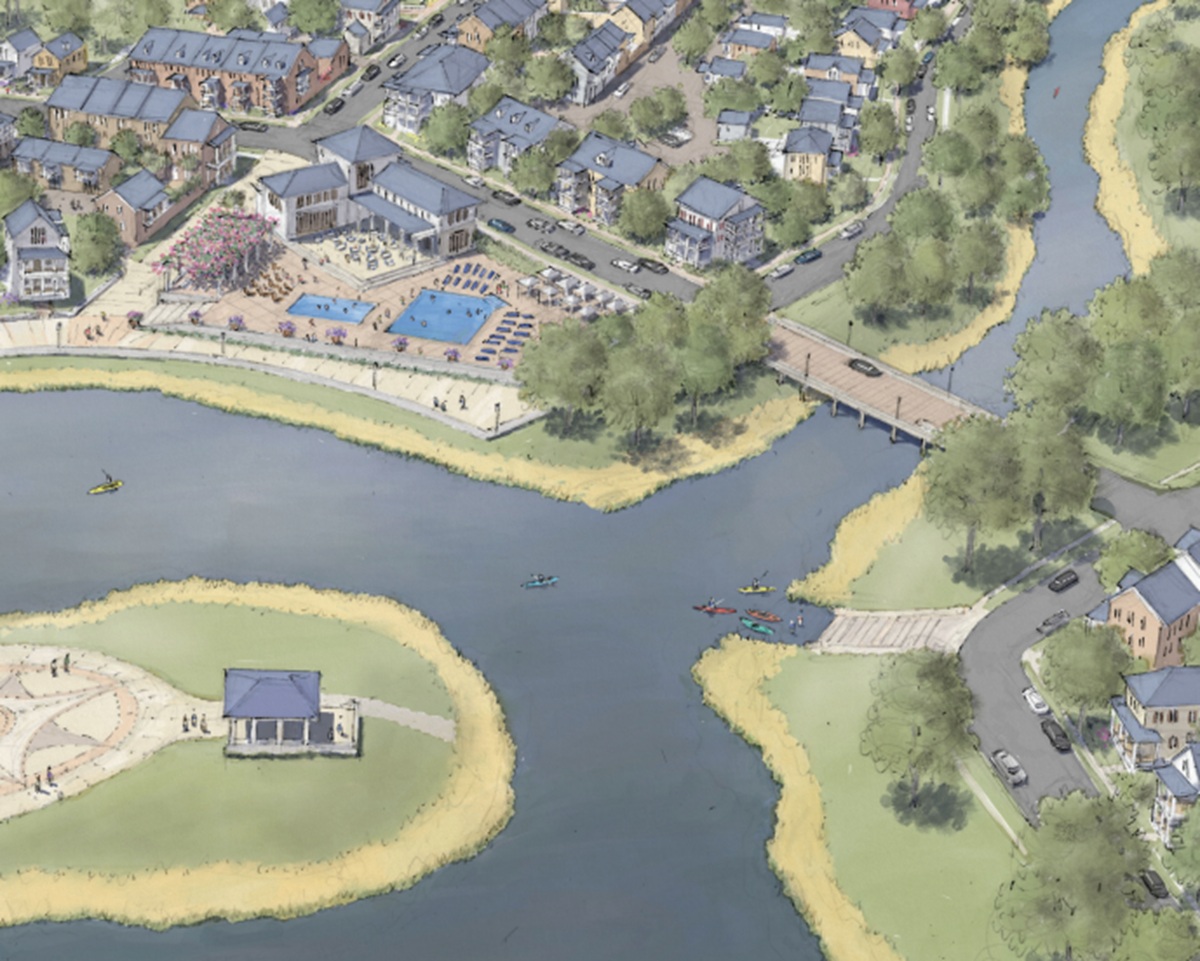
The development would feature a mix of housing types, townhomes, small-lot homes and larger single-family residences. Project representatives said the goal is to create a walkable community with a traditional town center rather than a conventional suburban subdivision.
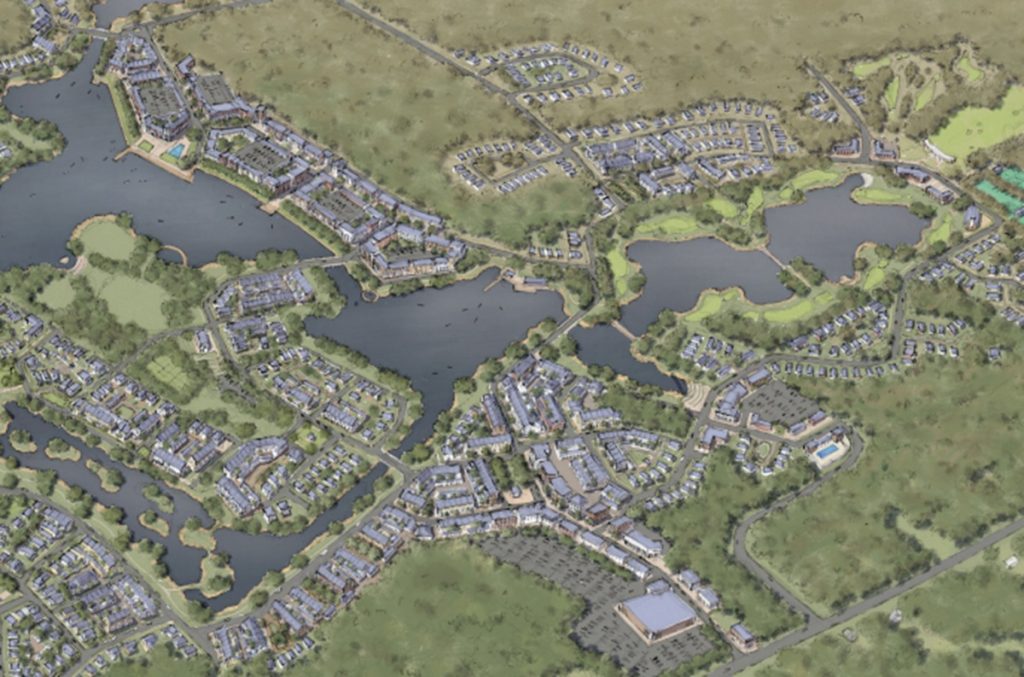
What the Developer Is Offering
In a letter submitted to the planning commission, Gramling outlined several commitments made during the 18-month review process with county staff.
Among them:
- 50 affordable housing units distributed throughout the community
- A 30-acre school site donated to the Berkeley County School District
- A school impact fee of $1,850 per home
- A 2.5-acre site for a future Fire/EMS station
- A public safety fee of $500 per home
- $10 million toward surrounding infrastructure improvements
- Traffic studies updated every five years
- At least five entrances connecting to Highway 17A
- A road network designed to reduce congestion by providing multiple travel routes
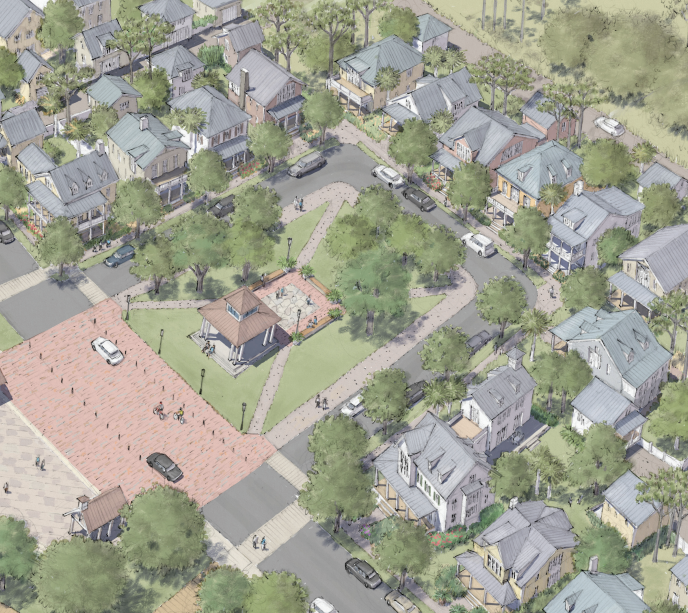
Designers Envision “Village-Style” Community
Marina Khoury of planning and design firm DPZ CoDesign said the project has been in development since 2019 and was designed to provide amenities many Cane Bay residents have said they want.
Khoury said community feedback helped shape the proposal.
“We do want commercial places. We have nowhere to go within our own community,” Khoury said residents told planners. “We would love an opportunity to sit on the waterfront and dine.”
The project includes plans for waterfront restaurants, coffee shops, retail businesses, trails and recreational opportunities surrounding what developers describe as one of South Carolina’s largest private lakes.
Khoury also emphasized that the project would be built over decades rather than all at once.
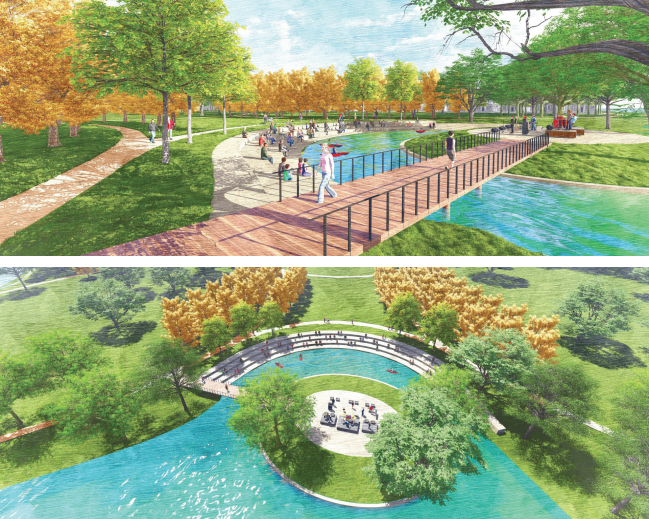
Residents Raise Concerns Over Growth
Despite the developer’s assurances, many residents expressed frustration over the pace of growth in Berkeley County and questioned whether infrastructure improvements would keep up.
Several speakers focused on traffic along Highway 17A and the surrounding roads.
“Highway 17A is already crazy,” said Mamie Gainley. “The traffic is unreal. We’re building, building and building, and nobody is doing anything about the infrastructure.”
Others worried that road improvements promised today may never materialize.
“They mentioned all the improvements along 17A,” said Four Seasons at Lakes of Cane Bay resident Kathryn Taggart. “The infrastructure was not put in place prior to the development. Don’t make that mistake again.”
Christopher Gordon of the Windwood community said his commute already reflects the area’s growth.
“I’ve watched everything go away that used to be,” Gordon said. “I understand a lot of people aren’t from here, but when you’ve grown up and seen what’s happened to our community, and we put people in charge to protect it, it’s not what it used to be.”
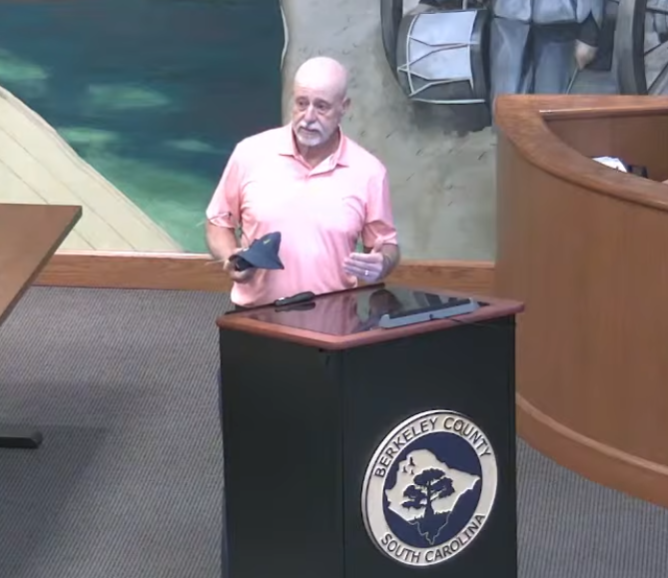
Schools and Healthcare Also Cited
Residents repeatedly questioned whether public services could keep pace with thousands of additional residents.
Jennifer Smith Kopaska, who works within the Berkeley County School District, said schools are already experiencing strain.
“I have serious concerns about whether infrastructure, schools, traffic planning and community resources are realistically prepared to support growth on the scale being proposed,” she said. “I’m also concerned about the long-term impact on homeowners through rising insurance costs and increasing property taxes tied to rapid development and expanding infrastructure demands.”
Others pointed to healthcare access.
Jan Chicka, a Windwood resident, told commissioners it took her eight months to obtain an appointment with a primary care physician after moving to the area.
“You want to add 15,000 people to that,” she said. “What will that do to our healthcare system?”
Environmental and Flooding Questions Remain
Environmental concerns also emerged throughout the hearing.
Residents questioned the loss of trees, impacts on wildlife and potential flooding risks.
Commissioner Terry Blackwell specifically asked project representatives about preserving mature trees and how the development would perform during major flood events.
Khoury acknowledged some trees would be removed but said planners intentionally designed portions of the community around significant existing tree stands.
“Some trees will come down. There’s no way around that,” she said. “But some trees will remain.”
Residents remained skeptical.
“Once the trees are gone, they don’t grow back,” said Windwood resident Leroy Godfrey Jr., a veteran and pastor. “It cannot be undone once it’s approved.”
What Happens Next?
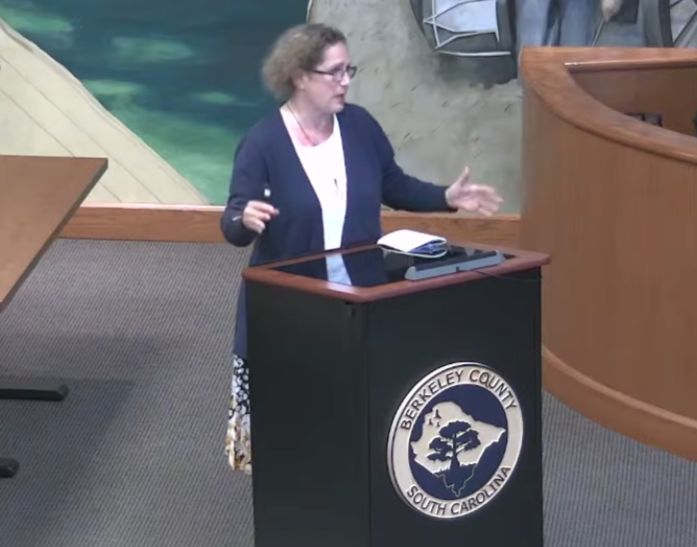
As the hearing concluded, commissioners indicated they were not prepared to move forward without additional community engagement.
One commissioner suggested separate meetings between developers and Cane Bay residents, as well as neighboring property owners in communities such as Windwood and Lakewood, to address lingering questions.
The commissioner noted residents continue to seek answers regarding construction timelines, flood mitigation, mosquito control, lake access, traffic impacts and other quality-of-life concerns.
Gramling pushed back on the suggestion, arguing that developers have already held public meetings and spent 18 months working with county staff.
“We’ve had the two meetings. We’ve showed our project. We’ve worked on this now with staff for 18 straight months,” Gramling said. “I don’t know how we can do anything more than what we’re doing.”
Still, the planning commission unanimously agreed to defer the proposal.
The proposed development is expected to return to the planning commission within the next 30 days following additional discussions, setting the stage for continued debate over the future of growth in one of Berkeley County’s fastest-growing corridors.