
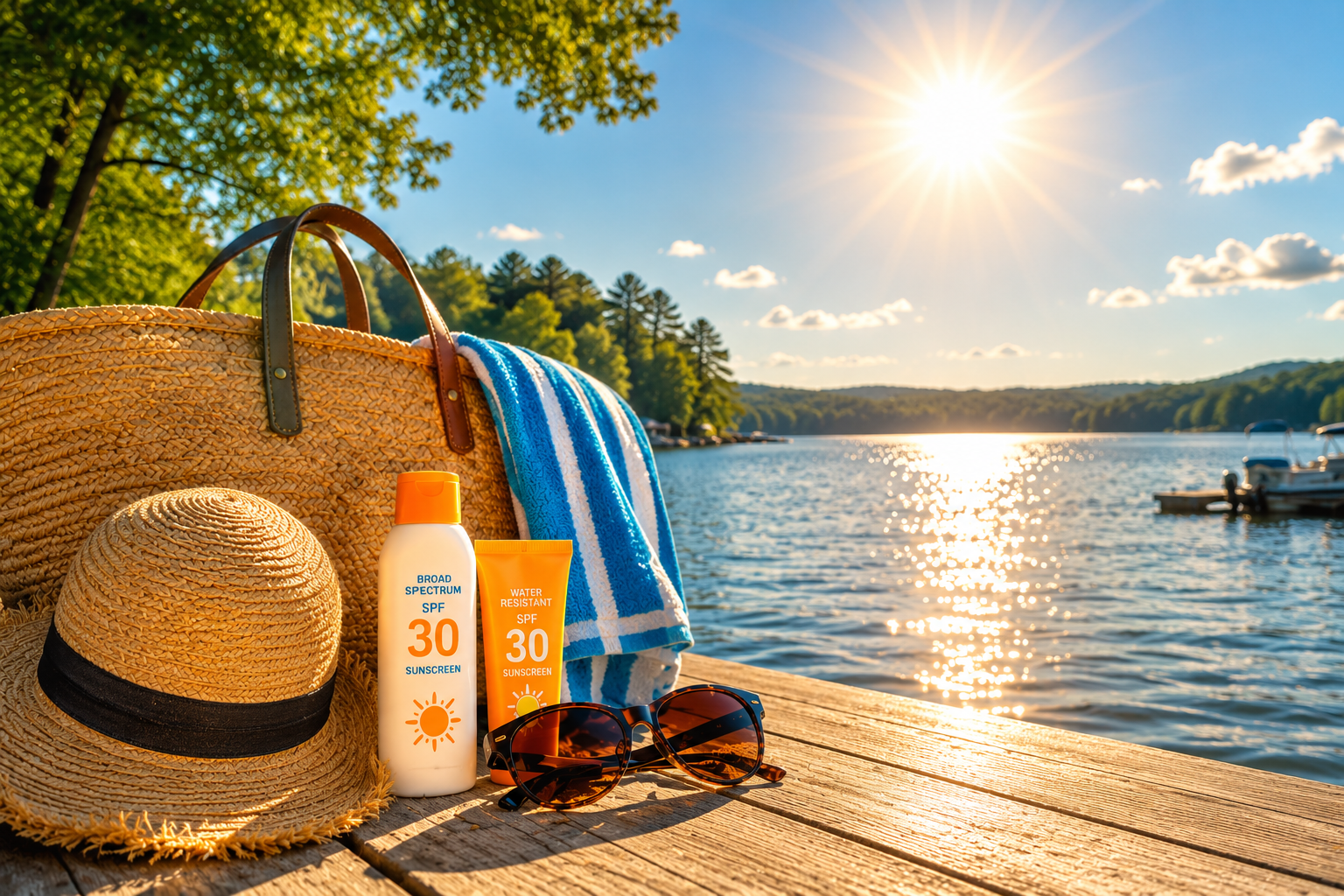
SOUTH CAROLINA — As temperatures climb and families head outdoors for beach trips, ball games, pool days and backyard barbecues, South Carolina health officials are warning that the summer sun may pose a greater threat than many realize.
The South Carolina Department of Public Health (DPH) is encouraging residents to take extra precautions this summer to reduce their risk of skin cancer, the most common form of cancer in the United States.
According to DPH, one in five Americans will develop skin cancer by age 70. While fair-skinned individuals face a higher risk, health experts stress that skin cancer can affect people of all skin tones.
📰SUBSCRIBE: Get the latest Berkeley County, SC news delivered to your inbox.
“People with fair skin may face a higher risk of skin cancer, but the truth is that anyone of any skin tone can get it,” said Sonya Younger, director of DPH’s Comprehensive Cancer Control Unit.
Melanoma Remains the Deadliest Form
The most common skin cancers are basal cell carcinoma and squamous cell carcinoma. However, melanoma remains the most dangerous because it can spread rapidly to other organs, including the lungs, liver, brain and lymph nodes.
State health officials reported that approximately 1,700 South Carolinians were diagnosed with malignant melanoma in 2024. The disease claimed 141 lives statewide.
Medical experts say repeated sunburns significantly increase the danger. According to DPH, the risk of melanoma doubles for people who have experienced more than five sunburns during their lifetime.
“With summer quickly approaching, it’s important to remember that you and your family need to wear sunscreen daily,” said Hallie Heffner, DPH’s Cancer Prevention coordinator. “Sunburns can occur in as little as five minutes.”
Simple Steps Can Reduce Risk
Health officials recommend limiting direct sun exposure between 10 a.m. and 2 p.m., when ultraviolet (UV) rays are strongest.
Other recommendations include:

✅Wide-Brim Sun Hats
A wide-brim hat helps shield the face, ears, scalp and neck—areas that are often overlooked when applying sunscreen. Dermatologists frequently recommend hats as an additional layer of protection during extended outdoor activities. Browse a variety of top-rated wide-brim sun hats on Amazon, starting as low as $10, at this link.

✅Broad-Spectrum SPF 30+ Sunscreen
Sunscreen is your first line of defense against harmful ultraviolet (UV) rays that can damage skin cells and increase the risk of skin cancer. Health officials recommend using a broad-spectrum sunscreen with an SPF of at least 30 and reapplying it every two hours, especially after swimming or sweating. Looking for a dermatologist-recommended option? Check out these top-rated broad-spectrum SPF 30+ sunscreens on Amazon at this link, starting as low as $10.

✅Beach Umbrellas and Portable Shade Canopies
Seeking shade is one of the simplest ways to reduce UV exposure during peak sunlight hours. Portable shade options can help protect families at the beach, sporting events, parks and outdoor festivals. Looking for a convenient way to create shade wherever you go? Browse these highly rated portable canopies at this link and beach umbrellas at this link on Amazon.

✅Reusable Water Bottles
While hydration won’t prevent skin cancer, staying properly hydrated helps your body cope with heat and prolonged outdoor activity. Carrying a refillable water bottle can encourage healthy hydration during summer outings. Need a reliable water bottle for summer adventures? Check out these top-rated insulated and reusable water bottles at this link on Amazon.

✅After-Sun Aloe Vera Gel
Although prevention is always best, aloe vera products can help soothe skin after accidental sun exposure and may provide relief from mild sunburn discomfort. Looking for a soothing way to care for sun-exposed skin? Browse these popular aloe vera gels and after-sun products on Amazon at this link.

✅Polarized UV-Blocking Sunglasses
Sunglasses that block 100% of UVA and UVB rays help protect the eyes and the delicate skin around them from sun damage. Long-term UV exposure has been linked to cataracts and certain eye cancers. Looking for stylish and effective eye protection? Browse these top-rated UV-blocking sunglasses at this link on Amazon.
Officials also caution that water, sand and even concrete can reflect sunlight and intensify UV exposure.
Indoor tanning beds, tanning booths and sun lamps should be avoided entirely, according to DPH.
Knowing the Warning Signs
People with more than 50 moles, unusually large moles or atypical moles may face a higher risk of developing melanoma.
Health experts encourage residents to monitor their skin regularly and pay attention to any mole that changes in size, color or shape, or begins itching or bleeding.
Any concerning changes should be evaluated by a board-certified dermatologist.
The Bottom Line
While a little sunshine can provide health benefits, prolonged UV exposure can have lasting consequences.
Health officials say the best defense is simple: cover up, seek shade and make sunscreen part of your daily routine.
For more information about skin cancer prevention and screening resources, visit the South Carolina Department of Public Health’s skin cancer webpage.
READ MORE:
The Berkeley Observer participates in affiliate marketing programs, which means we may earn a small commission when readers purchase products through links in our articles. These commissions come at no additional cost to you and help support our ability to provide independent, local news for Berkeley County. Your purchases directly help keep The Berkeley Observer in business and allow us to continue serving our community.